
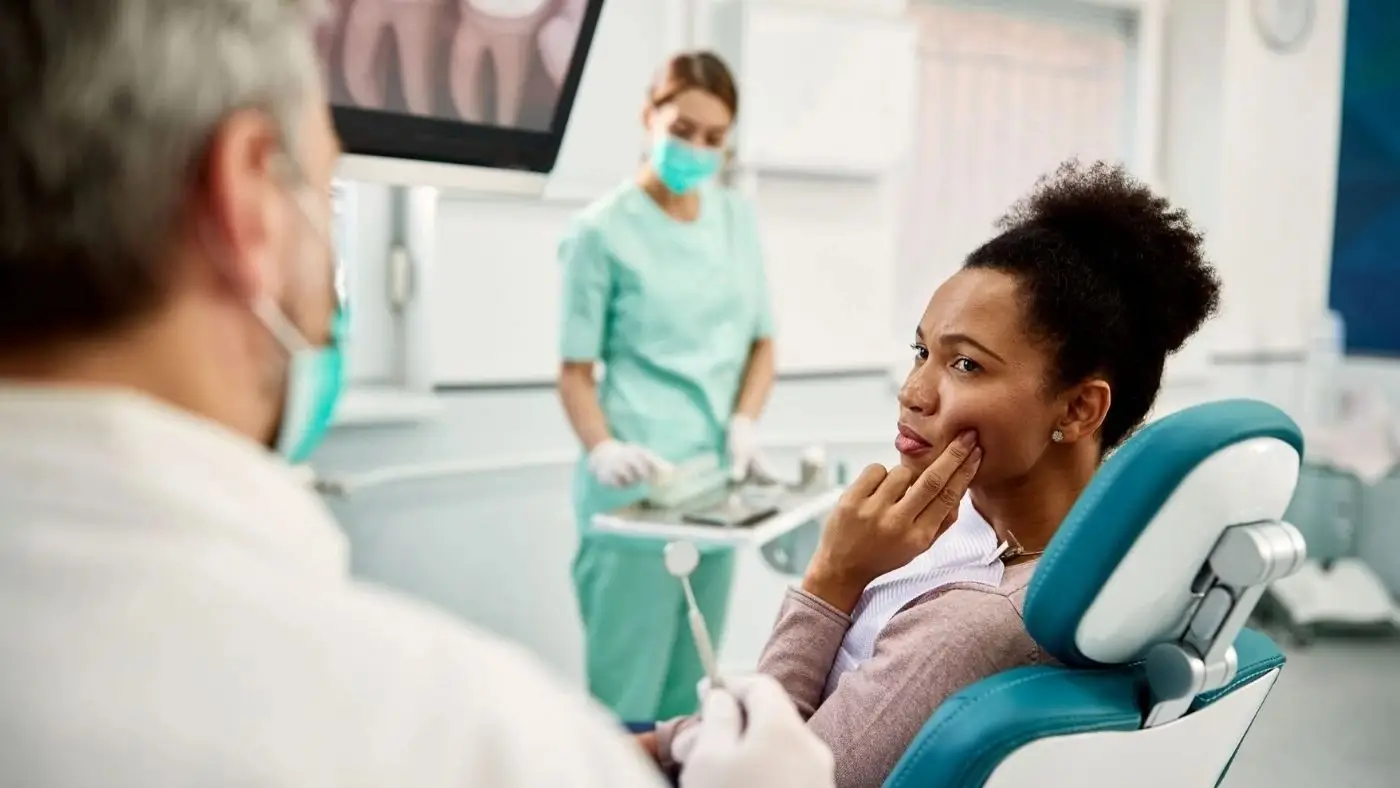
TMJ Treatment in Calgary
If you experience jaw pain, clicking or headaches, you may have a TMJ disorder. We offer effective, non-invasive treatments to relieve discomfort and restore normal jaw function.
What Treatments Are Available for TMJ Pain?
The temporomandibular joint (TMJ) connects your jawbone to your skull and controls every chewing, speaking and swallowing movement. When this joint is under stress or out of alignment, it can cause a range of painful symptoms that significantly affect your quality of life.
TMJ disorders are common and very treatable. If you are looking for TMJ treatment in Calgary SW, our approach focuses on relieving your symptoms first, then addressing the underlying cause through a combination of custom oral appliances such as a custom night guard, jaw exercises and lifestyle guidance.
Common TMJ Symptoms
- Pain or tenderness in the jaw, face or around the ear.
- Clicking, popping or grating when you open or close your mouth.
- Headaches, especially in the temples or on waking.
- Difficulty chewing or a jaw that feels stiff or tired.
- A jaw that locks or does not open fully.
- Worn, chipped or sensitive teeth from grinding or clenching.
What Is Included
- Custom night guards to reduce teeth grinding and clenching.
- Jaw exercises and physical therapy guidance.
- Stress management and lifestyle modifications.
- Specialist referrals for advanced cases.
- Non-surgical, comfortable treatment options.
- Relief from jaw pain, headaches and clicking.
Why Choose Olympic Park Smiles Dental for TMJ Treatment
- Pain relief: targeted treatment addresses the root cause of jaw pain, providing lasting relief from headaches, facial soreness and ear discomfort.
- Protects teeth: TMJ disorders often cause teeth grinding (bruxism), which wears down enamel, and treatment protects your teeth from further damage.
- Non-surgical: most TMJ cases respond well to conservative, non-invasive treatment, and surgery is rarely required.
- A three-doctor team: Dr. Lissandre Colbran, Dr. Brendan Kalin and Dr. Kevin Kalin.
- A 4.9 Google rating from more than 120 five-star reviews.
What to Expect at Your Visit
- 01A conversation. We ask about your pain, when it happens and what makes it better or worse.
- 02An exam. Your dentist checks your jaw joints, muscles, bite and teeth, and takes X-rays when needed.
- 03A diagnosis and plan. We explain what we find and recommend a treatment plan.
- 04Treatment. This may include a custom oral appliance, jaw exercises and lifestyle guidance.
- 05Follow-up. We check your progress and adjust your care, and we refer you to a specialist if your case needs it.

Self-Care Between Visits
- Eat softer foods and avoid chewing gum or very chewy foods.
- Apply a warm compress to sore jaw muscles.
- Practise gentle jaw exercises as your dentist shows you.
- Try to keep your teeth slightly apart and your jaw relaxed during the day.
- Manage stress with activities that help you relax.
Related Treatments
- Night Guards and Sports Guards: custom guards that protect teeth and jaw joints.
- Sleep Apnea and Snore Guards: oral appliances for better sleep.
- Teeth Cleaning and Check-Ups: regular exams help us spot wear from grinding early.
- Sedation Dentistry: comfortable care for anxious patients.
- Additional Care: explore all of our specialty services.
Cost of TMJ Treatment
The cost of TMJ treatment depends on the treatment you need, such as a custom oral appliance. Call us at (403) 300-2224 for a personalized quote. You can also visit our Financial Options section, or read about the Canadian Dental Care Plan on our CDCP page.
Frequently Asked Questions
TMJ stands for the temporomandibular joint, which connects your jawbone to your skull. People often use the term for a TMJ disorder, which is a problem with this joint and the muscles around it that causes pain and trouble moving the jaw.
Common symptoms include jaw pain, clicking or popping, headaches, ear discomfort, a stiff or locked jaw and worn teeth. If you notice any of these, a dental exam can help find the cause.
For many patients, yes. A custom night guard cushions your teeth and reduces the pressure of grinding and clenching on the jaw joints. Your dentist will tell you whether it suits your symptoms.
Mild symptoms sometimes settle with rest and self-care, but pain that keeps coming back usually has a cause that needs attention. Early treatment helps protect your teeth and joints and usually brings faster relief.
See a dentist if your jaw pain lasts more than a few days, if your jaw clicks or locks, or if you have frequent headaches or worn teeth. Seek urgent care if your jaw suddenly will not open or close.
Book Your Appointment
Ready to book your appointment? Call us at (403) 300-2224 or book online. We're welcoming new patients.